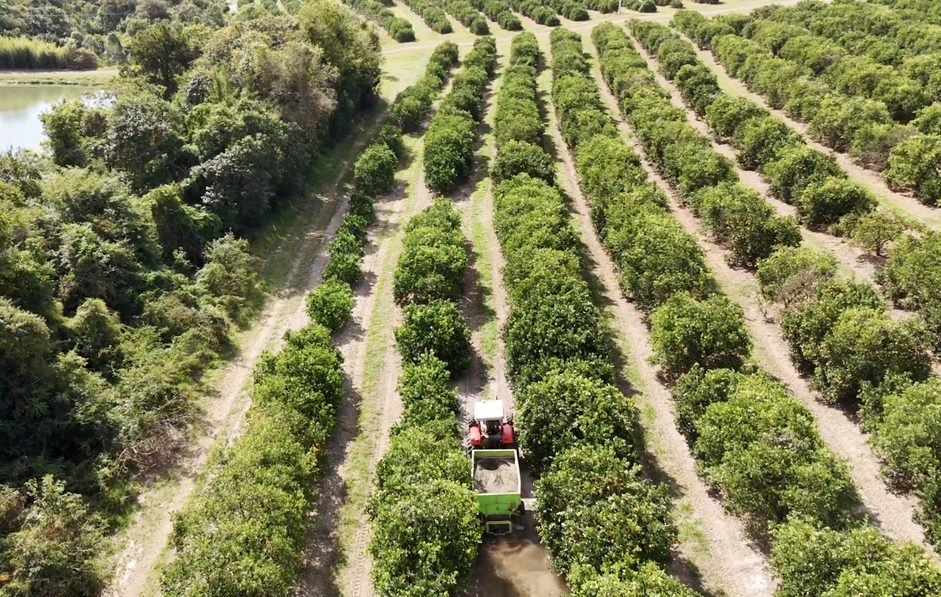
What is Remineralization (on homepage)
Why
Remineralize?
Rock Dust Primer
RTE Resource Directory
Make it Happen (on homepage)
Join Our Community
Ask questions, form groups and share your experiences
Make It Happen

LATEST NEWS (on homepage)
LATEST NEWS VIEW ALL
Remineralization Workshop in Cameroon begins the new era of sustainable development New documentary by RTE: Remineralization in Rural Brazil Don Weaver's New Book: an urgent message to remineralize and grow nutrient dense food

LATEST NEWS K2 (on homepage)
LATEST NEWS VIEW ALL
{module LATEST NEWS - K2 content}
Update on RTE Project in Costa Rica
Jatropha Seeds
In partnership with Ocean Arks International's John Todd, RTE's research project in Costa Rica is currently documenting evidence of the enhanced growth of trees by using volcanic rockdust to enrich the soil while reforesting previously devastated, overgrazed grasslands. See this article to learn more about our efforts to increase carbon sequestration through remineralization in Costa Rica.
Read more from Remineralize the Earth...
Bridging the Time Gap: What “Durability” Means for Carbon Removal in Farm Landscapes
In the world of carbon dioxide removal (CDR), “permanence” is the gold standard. It asks: once carbon is removed from the atmosphere, how long will it stay sequestered? But there is another equally important question of time: what is the time lag between deployment and carbon removal?
Noah Planavsky, Professor of Earth and Planetary Sciences at Yale University. (Photo: Dan Renzetti/Yale University)
The climate impact of any CDR strategy depends both on whether carbon stays in the ground and on when atmospheric concentrations actually begin to decline. Timing is ...
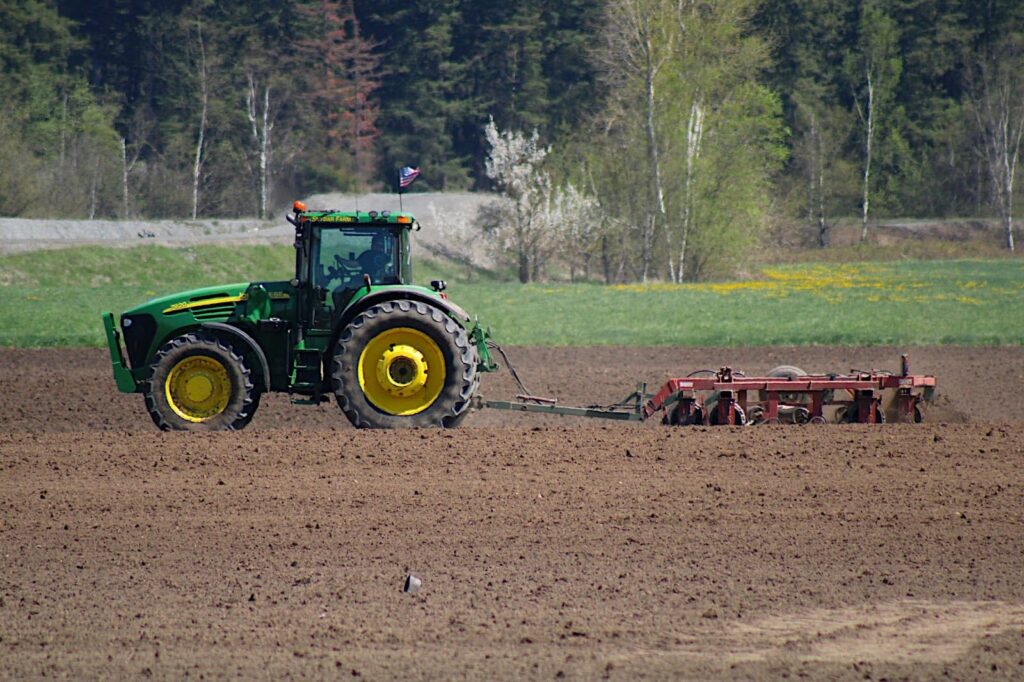
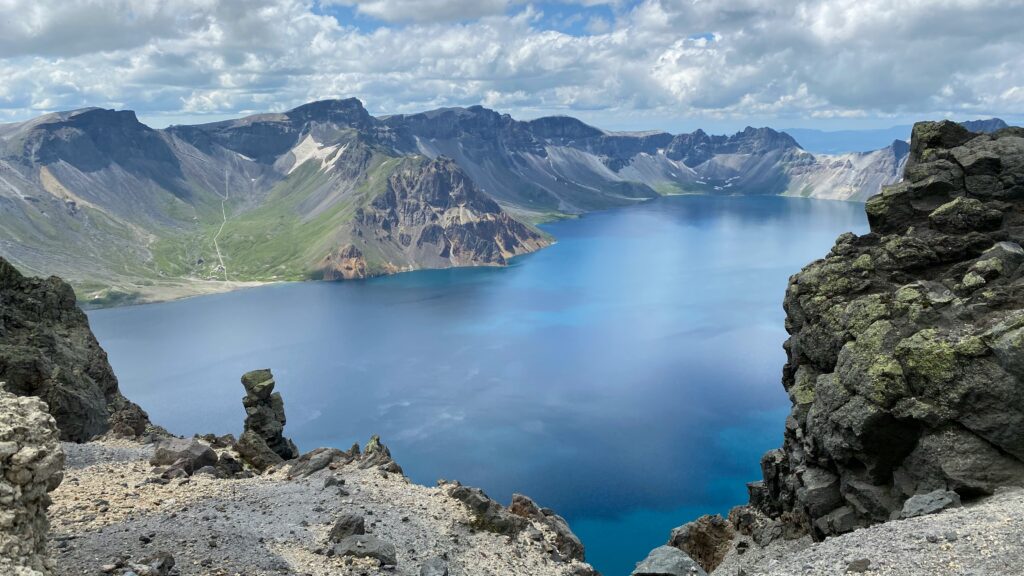
Volcanic Ash: A Unique Carbon Capture and Land Degradation Solution
While atmospheric carbon rightfully holds much of the spotlight in climate change discussions, climate change also exacerbates the often overlooked issue of land degradation, which the UN Food and Agriculture Organization describes as a “silent crisis” threatening food stability and agriculture across the globe.
Shenyang University. Photo used under creative commons license.
In Tajikistan, 70% of arable land has shown signs of degradation, despite 70% of the country’s population relying on agriculture for income. The Mekong Delta in Vietnam, commonly ...
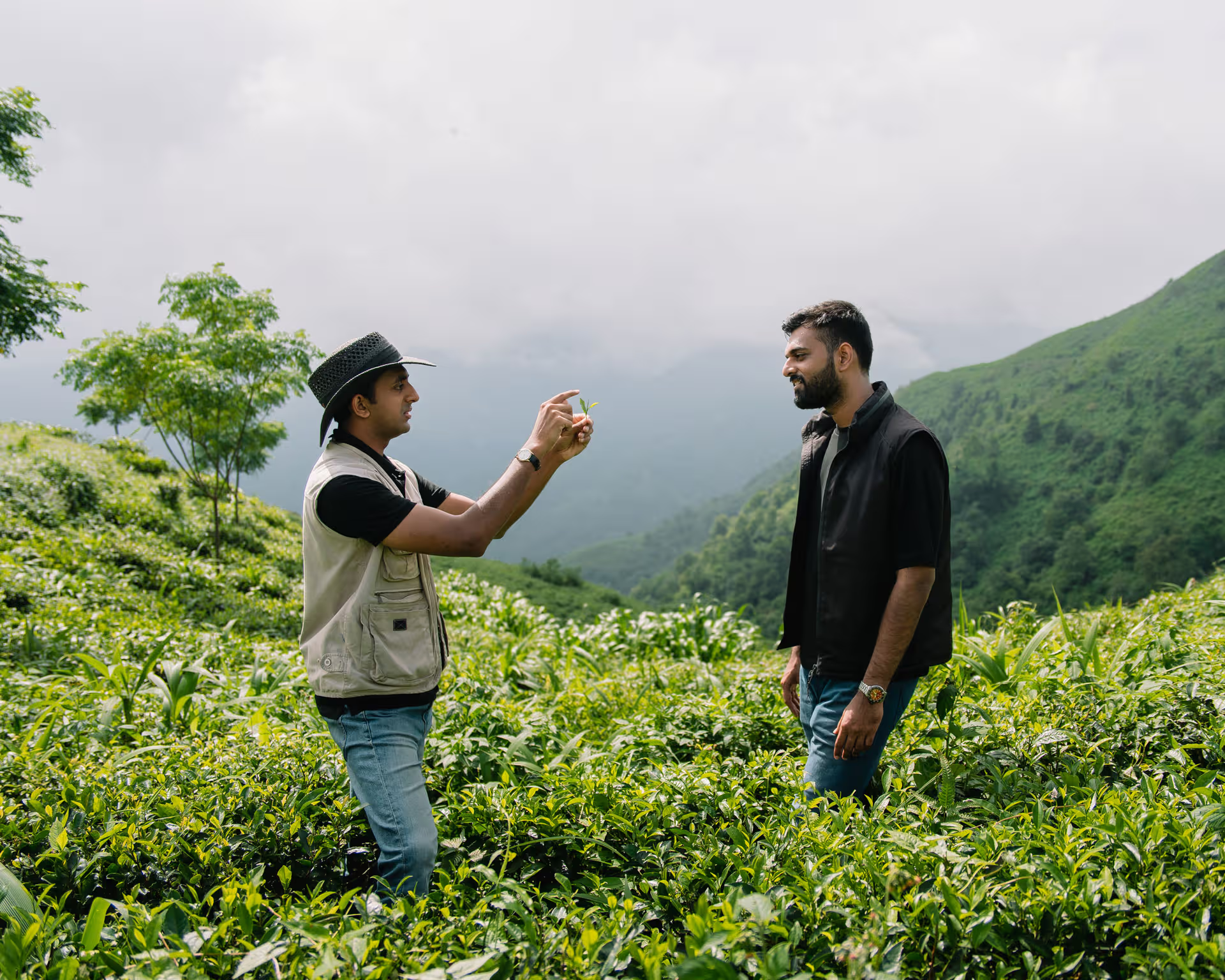
Alt Carbon in Darjeeling: Brewing better soil from India’s tea country
Enhanced rock weathering capitalizes on Darjeeling’s proximity to the Himalayas and a region of high temperatures, heavy rainfall, humidity, acidic soils, and large basaltic rock deposits.
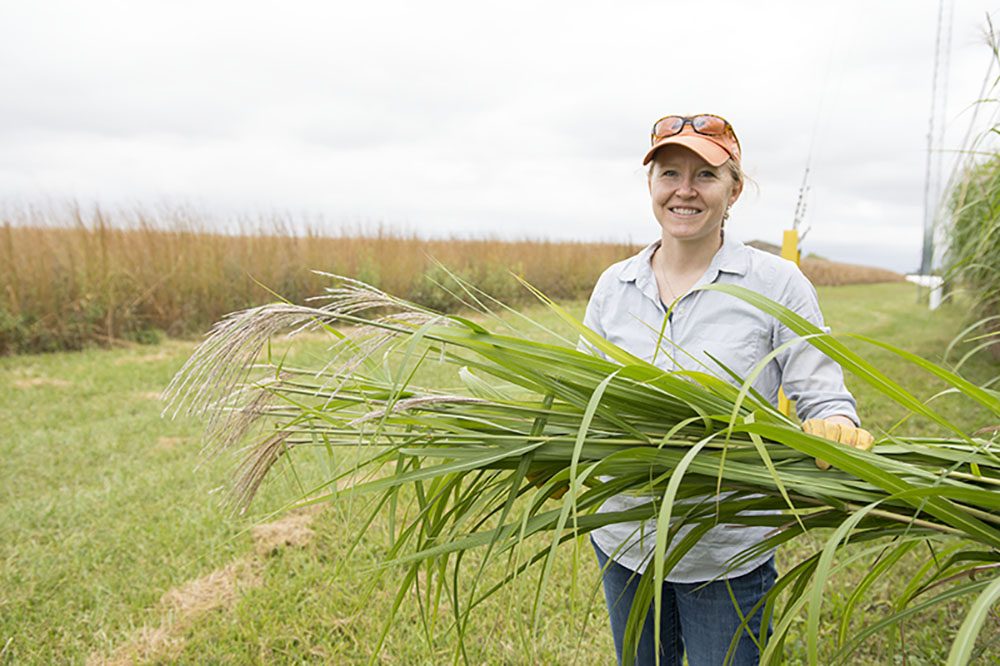
Enhanced Weathering for Corn: Promise, Limits, Direction
Two recent field studies offer the clearest evidence yet of how enhanced rock weathering behaves in the U.S. Corn Belt.
COP30 InPlanet Discussion: Gigaton-Scale Carbon Removal in Brazil
To align with guidelines of the IPCC, carbon dioxide removal (CDR) must scale rapidly to gigatonne levels over the coming decades. This was the theme of a panel discussion at the COP30 Blue Zone, where Dr. Christina Larkin, vice president of science and research at InPlanet, Dr. David Manning, professor of soil science at Newcastle University, and Dr. Injy Johnstone, an environmental lawyer and NetZero expert, further explored issues raised by the InPlanet paper Unlocking Gigatonne-Scale Carbon Removal with Strategic Tipping Point Frameworks. Together, they explored the ...

Resilient Cacao Emerges Through Enhanced Weathering Strategies
Cover of Plants, People, Planet (Vol. 7, November 2025).
Cacao’s climate footprint is far larger than most consumers imagine, and incremental efficiency gains will not be enough to secure the crop’s future. A new paper in the journal Plants, People, Planet proposes a dual strategy: agroforestry for resilience and enhanced rock weathering (ERW) for carbon removal. However, it remains to be seen how scientific promise intersects with institutional constraints.
The paper begins with an overlooked but fundamental point: chocolate is a high-emissions commodity. ...

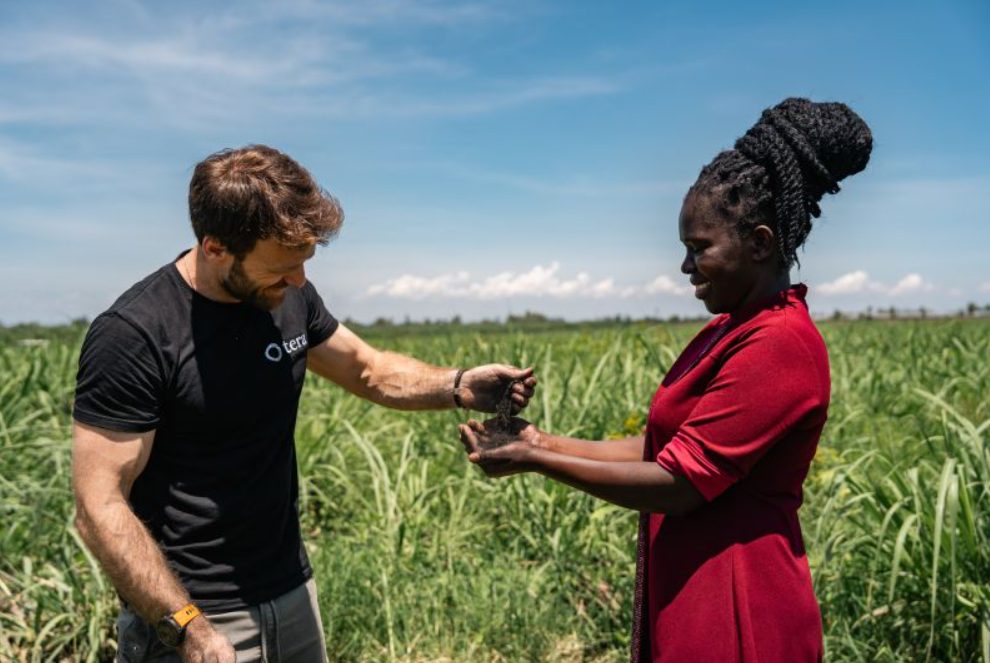
Tera: Upcycling Sugar Cane Bagasse into Biochar
The production of biochar in Africa could reduce carbon in the atmosphere and provide farmers with a solution to soil degradation in the region.
From Mine to Field: A Circular Economy Approach
A new study places soil remineralization within the wider idea of a circular economy: rock dust should not be treated as waste but as potential inputs for farming systems.
Permaculture in Practice: Michael Pilarski and the Movement to Re-Green the Planet
Michael Pilarski is a celebrated permaculture and agroforestry instructor who has taught courses on the subject in the United States and abroad since 1988.

From Mine to Soil: The InPlanet Pre-COP30 Field Experience
Title: From Mine to Soil: The InPlanet Pre-COP30 Field Experience
Date: Wednesday, November 5, 2025
Location: Piracicaba, Brazil
Description: InPlanet Invites COP30 attendees to witness Enhanced Rock Weathering firsthand, in Brazil, from mine to field. Step out of the COP30 conference halls and into the field with InPlanet. Join a select group of climate leaders and innovators for an exclusive, behind the scenes experience of Enhanced Rock Weathering (ERW), the breakthrough technology removing carbon at scale while regenerating tropical soils.
Schedule:
...