
Volcanoes, Soil, and the Carbon Clock: What Costa Rica Can Teach the World About Enhanced Rock Weathering
A 2024 study suggests Costa Rica may be offering the world a geological template for one of the most promising carbon removal strategies of our time.
Bridging the Time Gap: What “Durability” Means for Carbon Removal in Farm Landscapes
In the world of carbon dioxide removal (CDR), “permanence” is the gold standard. It asks: once carbon is removed from the atmosphere, how long will it stay sequestered? But there is another equally important question of time: what is the time lag between deployment and carbon removal?
Noah Planavsky, Professor of Earth and Planetary Sciences at Yale University. (Photo: Dan Renzetti/Yale University)
The climate impact of any CDR strategy depends both on whether carbon stays in the ground and on when atmospheric concentrations actually begin to decline. Timing is ...
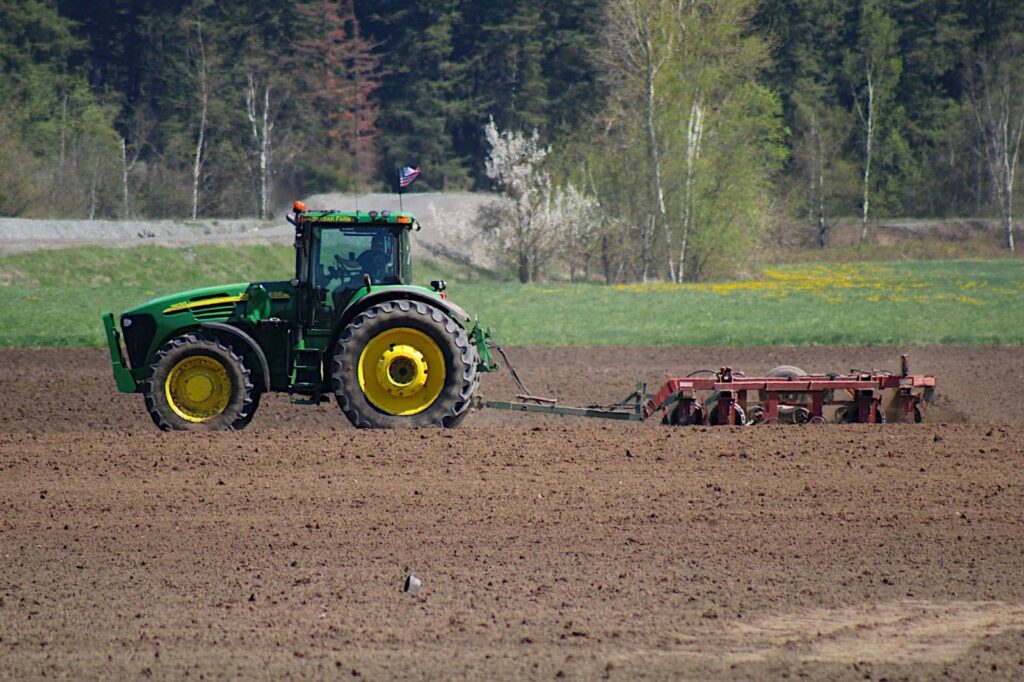
Volcanic Ash: A Unique Carbon Capture and Land Degradation Solution
While atmospheric carbon rightfully holds much of the spotlight in climate change discussions, climate change also exacerbates the often overlooked issue of land degradation, which the UN Food and Agriculture Organization describes as a “silent crisis” threatening food stability and agriculture across the globe.
Shenyang University. Photo used under creative commons license.
In Tajikistan, 70% of arable land has shown signs of degradation, despite 70% of the country’s population relying on agriculture for income. The Mekong Delta in Vietnam, commonly ...
Enhanced Weathering for Corn: Promise, Limits, Direction
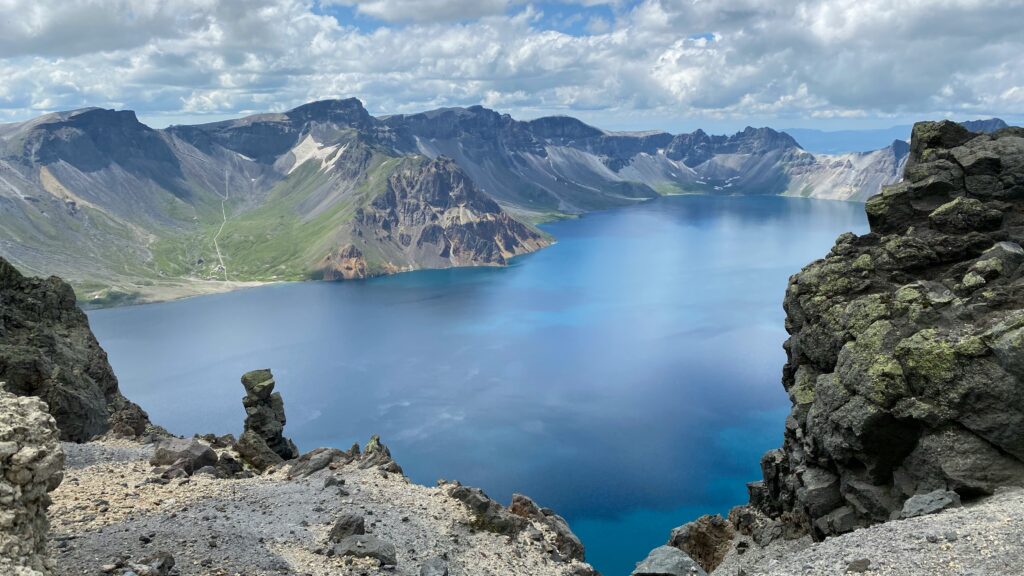
Two recent field studies offer the clearest evidence yet of how enhanced rock weathering behaves in the U.S. Corn Belt.
Resilient Cacao Emerges Through Enhanced Weathering Strategies
Cover of Plants, People, Planet (Vol. 7, November 2025).
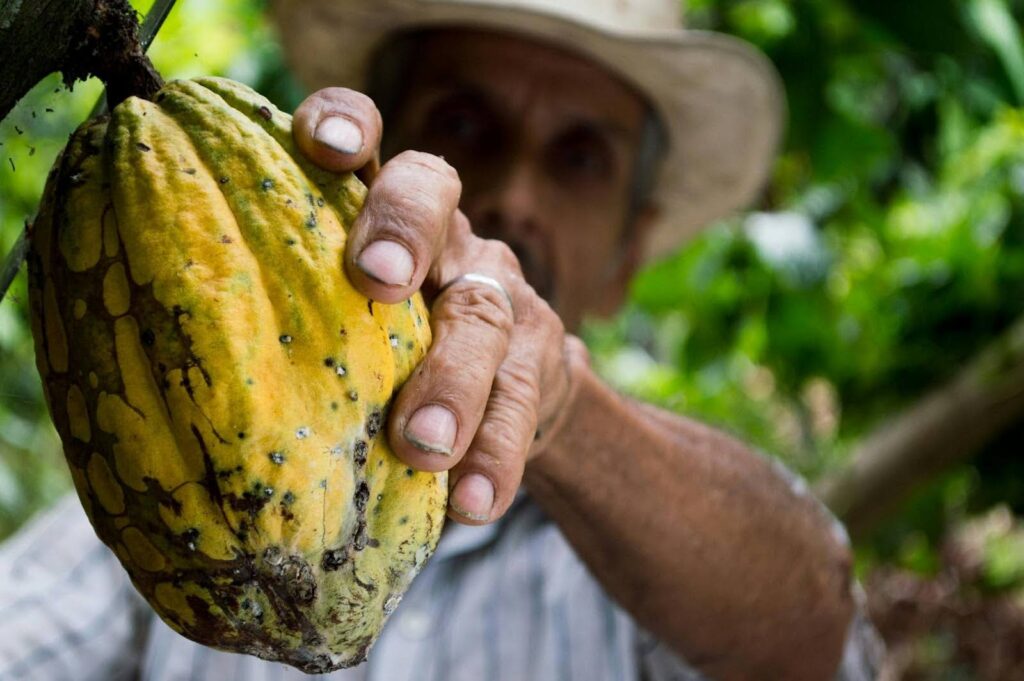
Cacao’s climate footprint is far larger than most consumers imagine, and incremental efficiency gains will not be enough to secure the crop’s future. A new paper in the journal Plants, People, Planet proposes a dual strategy: agroforestry for resilience and enhanced rock weathering (ERW) for carbon removal. However, it remains to be seen how scientific promise intersects with institutional constraints.
The paper begins with an overlooked but fundamental point: chocolate is a high-emissions commodity. ...
From Mine to Field: A Circular Economy Approach
A new study places soil remineralization within the wider idea of a circular economy: rock dust should not be treated as waste but as potential inputs for farming systems.

CDR in the Tropics: Building Trust, Markets, and Climate Solutions
When Jill Raval steps onto a stage, whether under the lights of a classical Indian dance performance or in front of a global audience of climate entrepreneurs, she carries the same sense of rhythm and intent. “I wasn’t a good student,” she admitted with a laugh during the Pioneering CDR in the Tropics webinar hosted by Milkywire on October 8, 2025. “I was much more into dancing.”
Application of finely ground rock on farmland. Credit: InPlanet
Today, Raval serves as Milkywire’s Nature Lead, guiding the organization’s work at the intersection of science, ...

The Hidden Alchemy of Biochar and Basalt
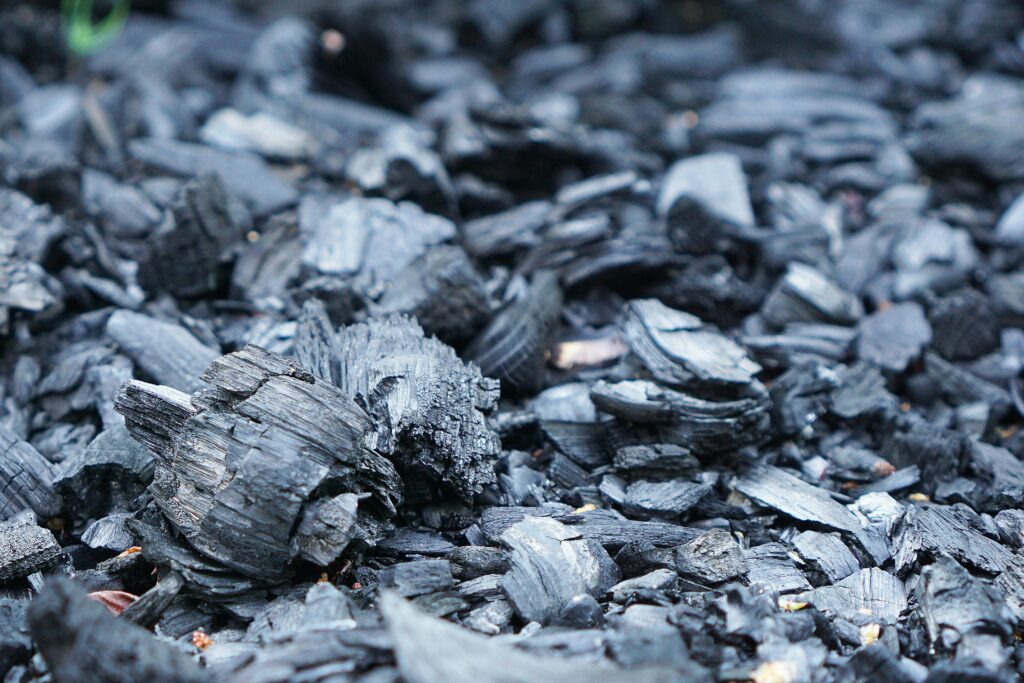
The authors of a 2021 study outline a suite of land-based strategies designed to strengthen carbon capture and storage in agricultural landscapes.
Yale Research Team Uses Unique Natural Laboratory, a Watershed, to Study Enhanced Rock Weathering
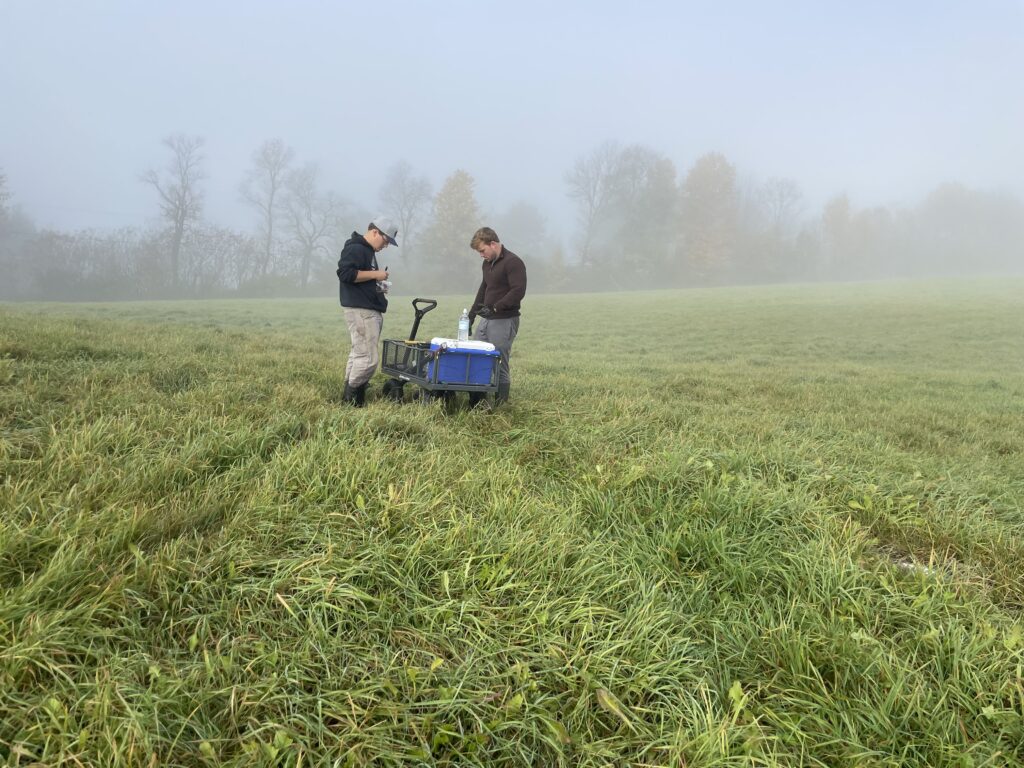
Recently, Yale Professor James Saiers started a project at the Sleepers River Research Watershed focusing on how enhanced weathering can consume CO2 and how this process influences the biogeochemistry of the watershed.
Turning Invasive Plants into Agricultural Assets: Inside ISAP India’s Biochar Vision
Choosing mesquite as the primary material for biochar allows for the removal of this invasive species, enabling the restoration of the land for agricultural use.


