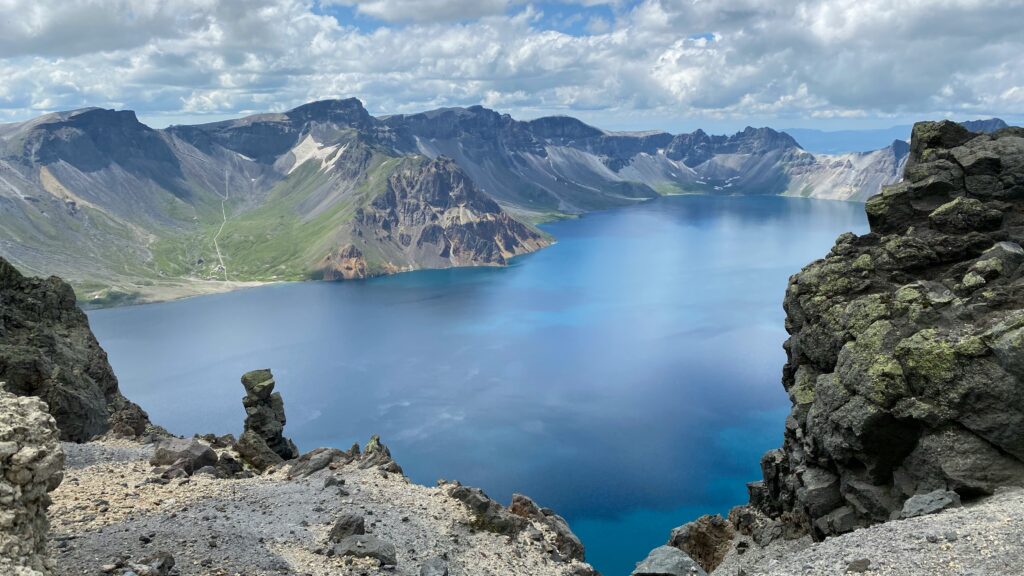
What is Remineralization (on homepage)
Why
Remineralize?
Rock Dust Primer
RTE Resource Directory
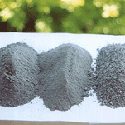
Make it Happen (on homepage)
Join Our Community
Ask questions, form groups and share your experiences
Make It Happen

LATEST NEWS (on homepage)
LATEST NEWS VIEW ALL
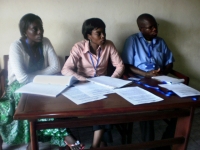
Remineralization Workshop in Cameroon begins the new era of sustainable development New documentary by RTE: Remineralization in Rural Brazil Don Weaver's New Book: an urgent message to remineralize and grow nutrient dense food
LATEST NEWS K2 (on homepage)
LATEST NEWS VIEW ALL
{module LATEST NEWS - K2 content}
Update on RTE Project in Costa Rica
Jatropha Seeds
In partnership with Ocean Arks International's John Todd, RTE's research project in Costa Rica is currently documenting evidence of the enhanced growth of trees by using volcanic rockdust to enrich the soil while reforesting previously devastated, overgrazed grasslands. See this article to learn more about our efforts to increase carbon sequestration through remineralization in Costa Rica.
Read more from Remineralize the Earth...
CDI’s New 48 Hour Shaker Test Speeds Up Verification of Enhanced Rock Weathering
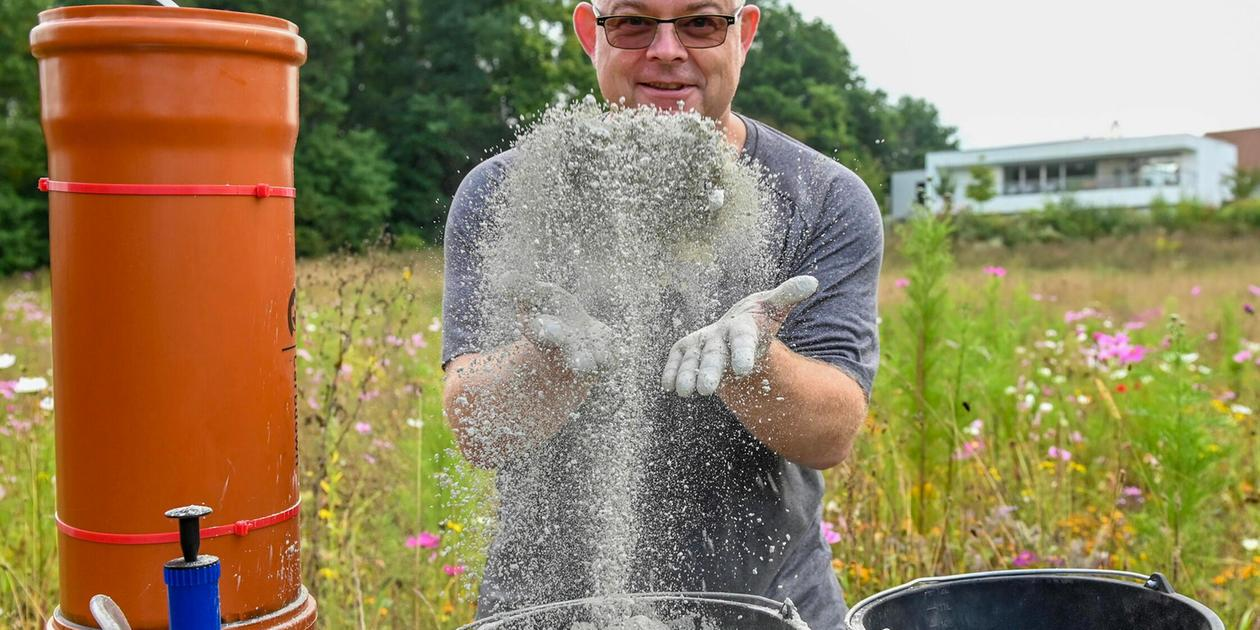
Dirk Paessler, Founder and CEO of Carbon Drawdown Initiative
There has been a breakthrough by the Carbon Drawdown Initiative (CDI): they have discovered how to speed up the testing of Enhanced Rock Weathering (ERW) using the 48-Hour Shaker test, a rapid verification of weathering that will advance Carbon Dioxide Removal research and aid in the development of standardization within the field. This research is done through CDI’s Project Carbdown.
Project Carbdown is a project implemented by the Carbon Drawdown Initiative in partnership with scientists across Europe, ...
The Kingston Wollastonite Rebate
Wollastonite, when crushed into rock dust and incorporated into the soil through the process of enhanced rock weathering (ERW), is greatly beneficial.
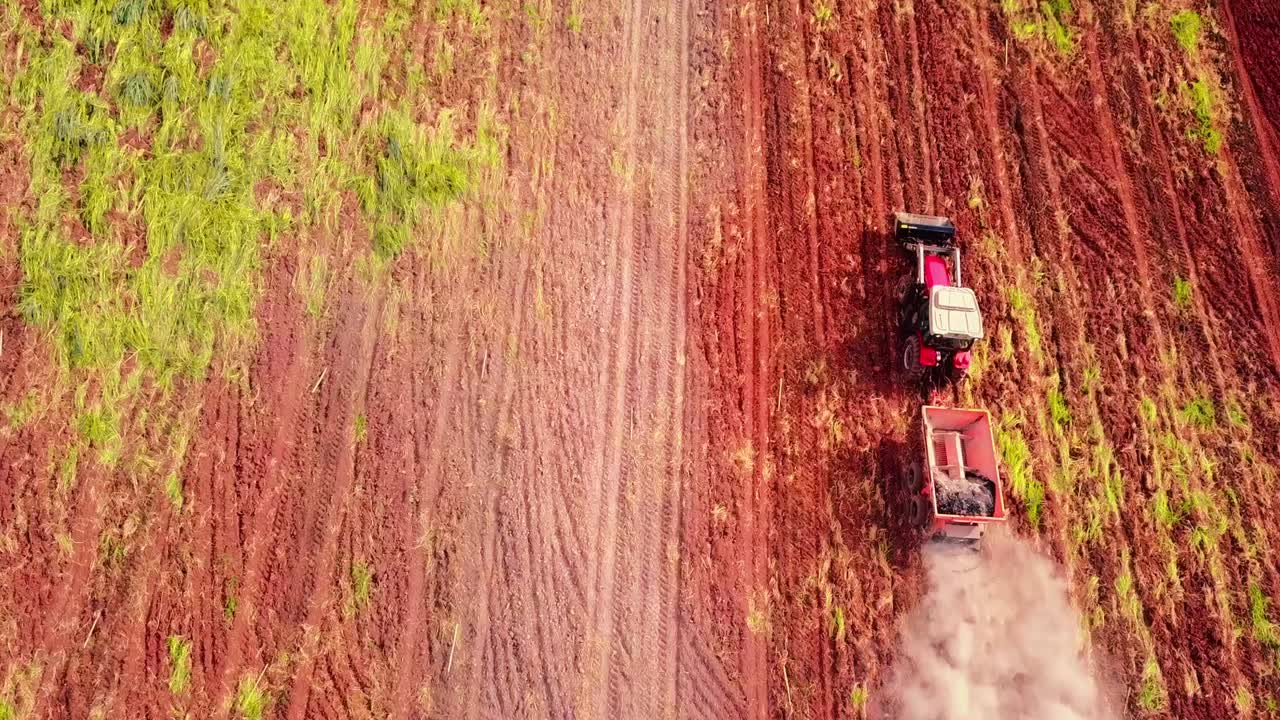
Silicon to Silicate: Understanding the InPlanet-Microsoft Deal
On December 17, 2025, InPlanet, a trailblazing ClimateTech Carbon Dioxide Removal (CDR) company, publicly announced that they signed an agreement with Microsoft, the multinational tech conglomerate, to provide durable carbon removal and regenerative agriculture benefits in Brazil. They plan to remove more than 28,500 tonnes of carbon dioxide between 2026 and 2028.
Who is InPlanet?
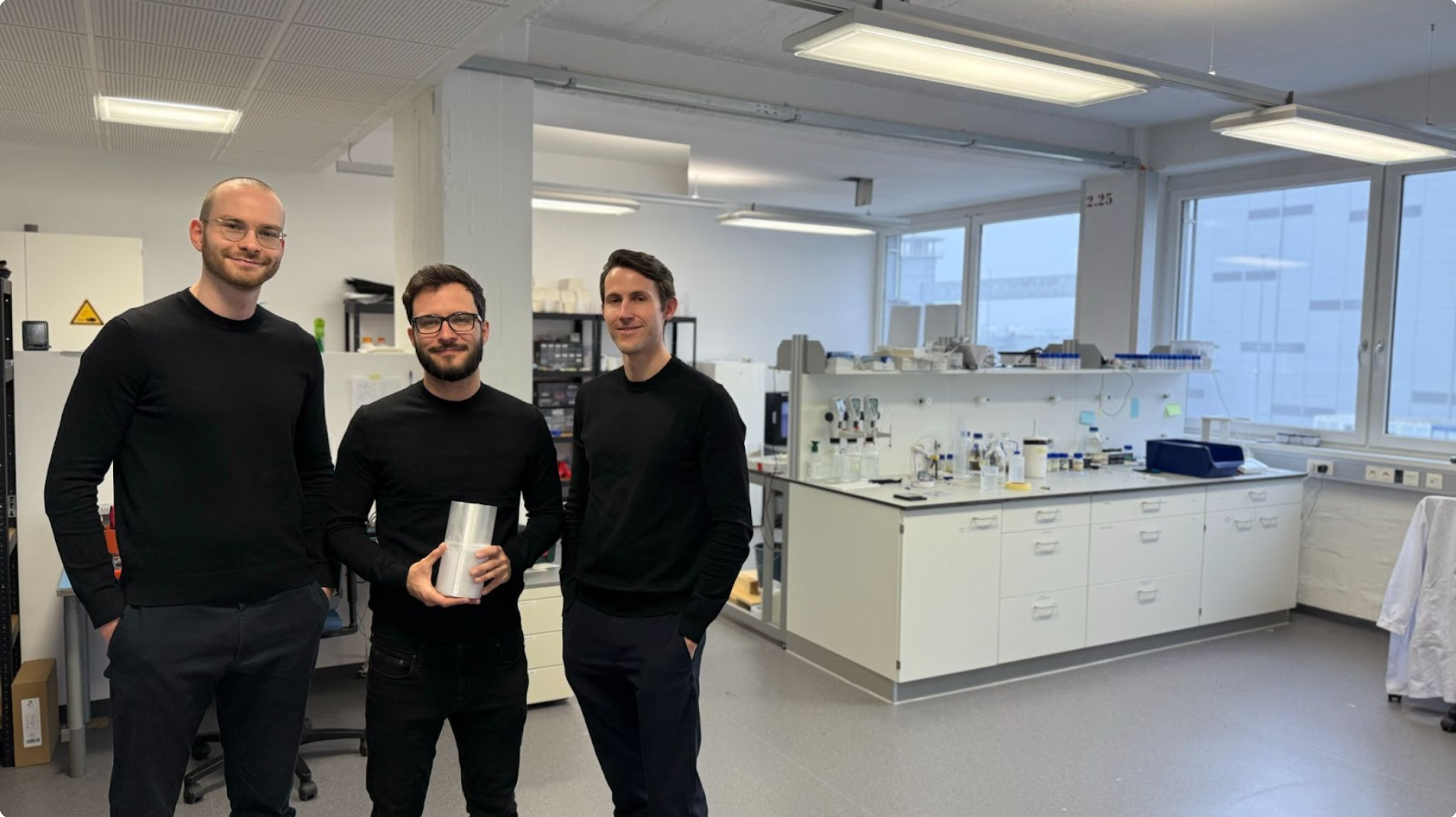
InPlanet’s Team. Image Credit: InPlanet
Founded in 2022 and based in Germany and Brazil, InPlanet is an AgTech Company pioneering Enhanced Rock Weathering (ERW) as a ...
A Watershed Reveals Carbon Removal, Soil Buffering, and Metal Stabilization
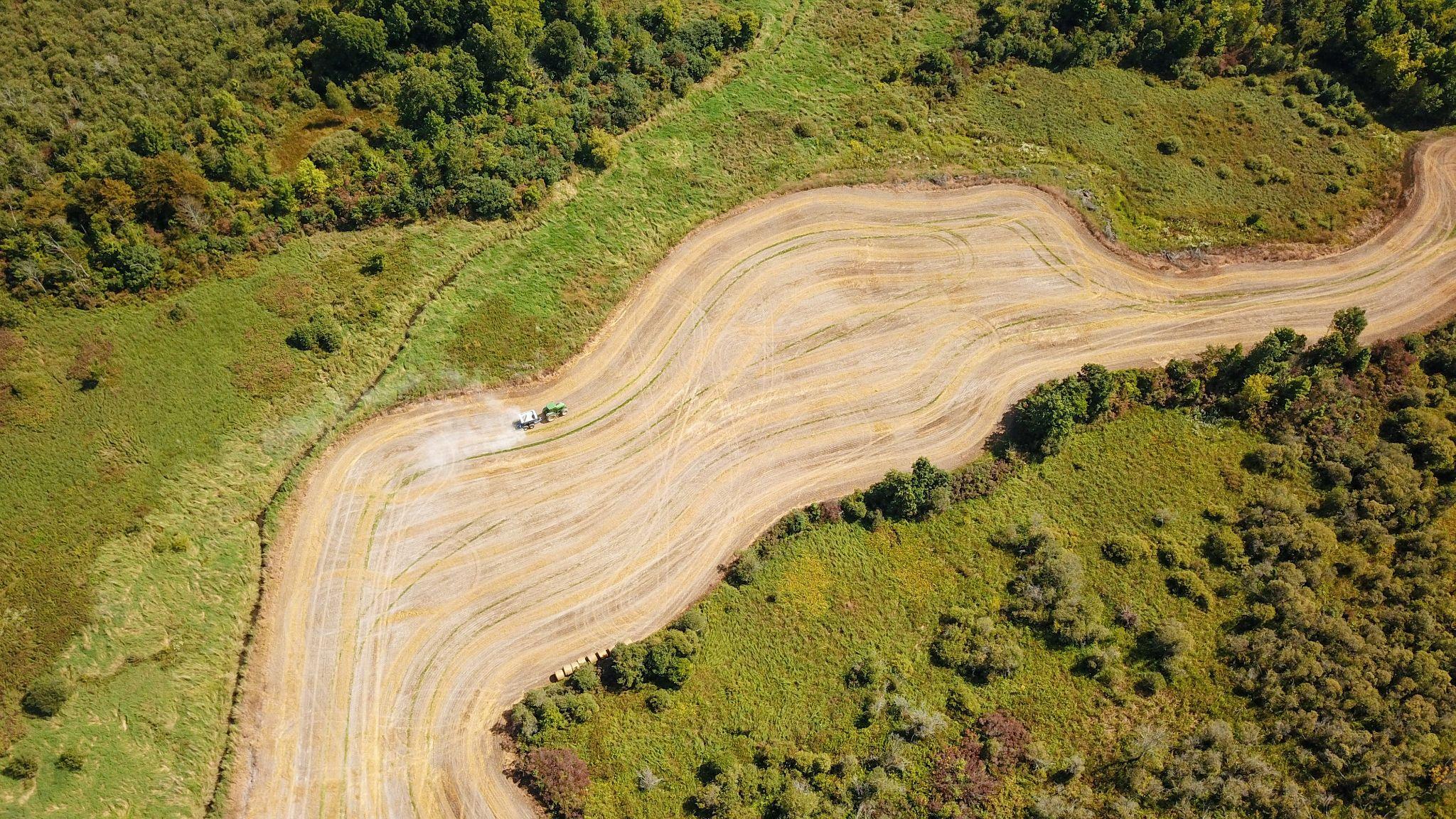
In June 2023, a team from Yale’s School of the Environment spread 400 tonnes of crushed basalt across hayfields and pastures in northern Vermont. Within weeks, the stream draining the treated land began telling a different chemical story.
Field crew laying out transect stakes before soil sampling.
Two preprints from the Yale Center for Natural Carbon Capture now report what happened.Sun et al. (2025) tracked weathering products in the stream over two years, and Zacharias et al. (2025) measured changes in the soil. Together, they present the first watershed-scale ...
The Future of Carbon Removal is Enhanced Rock Weathering: Introducing the Everest Pulsar
When developing climate change solutions, one may look to Mother Nature for inspiration.
What Enhanced Weathering Opportunities Does the Acquisition of Eion Bring to Terradot?
With Terradot’s recent acquisition of Eion, two organizations specializing in enhanced rock weathering (ERW) have now merged.
Photo from Eion
Terradot is dedicated to the challenging task of stabilizing the world’s climate. Their ambition is to make a major contribution to the 10 gigatons of CO₂ that must be removed from the atmosphere every year by 2050, and their strategy is to advance the science, technology, and collaboration surrounding enhanced rock weathering (ERW). Terradot currently deploys ERW projects in Brazil, where the soil types, weather, and ...
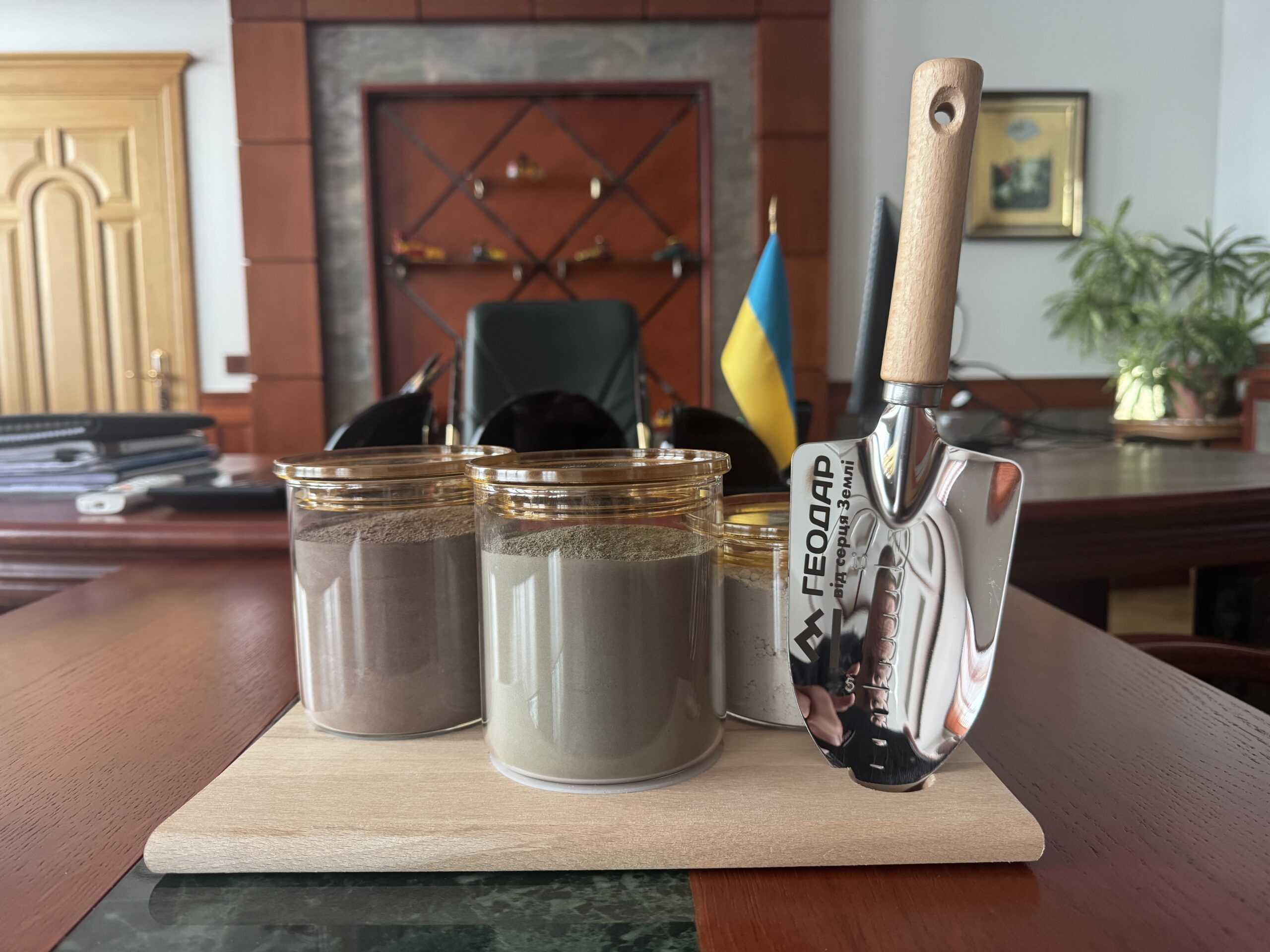
Ukraine’s Path to Soil Remineralization
In a field in Eastern Ukraine, where heavy military equipment was moving just a few months ago, agronomists are now attempting to restore degraded soils by spreading finely ground basalt across the soil. What looks like an ordinary farming operation is, in fact, an attempt to build an evidence pipeline:mineral → field → measurement → standardization. This is where agronomic effects can already be observed on the ground, though the climate layer still requires formal Monitoring, Reporting, and Verification (MRV) frameworks, that is, a transparent system for monitor...
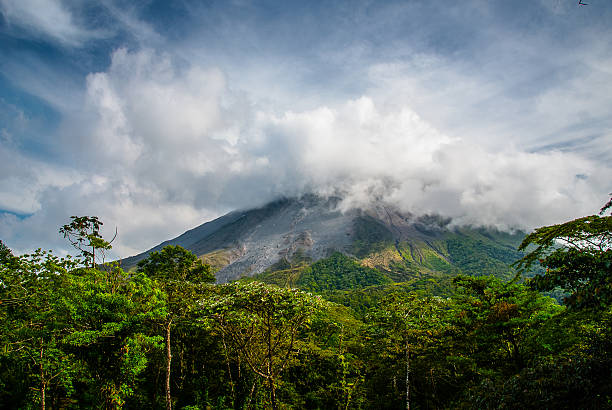
Volcanoes, Soil, and the Carbon Clock: What Costa Rica Can Teach the World About Enhanced Rock Weathering
A 2024 study suggests Costa Rica may be offering the world a geological template for one of the most promising carbon removal strategies of our time.
Bridging the Time Gap: What “Durability” Means for Carbon Removal in Farm Landscapes
In the world of carbon dioxide removal (CDR), “permanence” is the gold standard. It asks: once carbon is removed from the atmosphere, how long will it stay sequestered? But there is another equally important question of time: what is the time lag between deployment and carbon removal?
Noah Planavsky, Professor of Earth and Planetary Sciences at Yale University. (Photo: Dan Renzetti/Yale University)
The climate impact of any CDR strategy depends both on whether carbon stays in the ground and on when atmospheric concentrations actually begin to decline. Timing is ...
Volcanic Ash: A Unique Carbon Capture and Land Degradation Solution
While atmospheric carbon rightfully holds much of the spotlight in climate change discussions, climate change also exacerbates the often overlooked issue of land degradation, which the UN Food and Agriculture Organization describes as a “silent crisis” threatening food stability and agriculture across the globe.
Shenyang University. Photo used under creative commons license.
In Tajikistan, 70% of arable land has shown signs of degradation, despite 70% of the country’s population relying on agriculture for income. The Mekong Delta in Vietnam, commonly ...